Missouri Evaluates Expansion of Night Hunting Regulations for Thermal and Night Vision Equipment
Author: Marko L. | Publish Date: Jul 24, 2025 | Fact checked by: Aleksa Miladinovic
State Officials Consider Extended Hunting Season to Address Wildlife Management Challenges
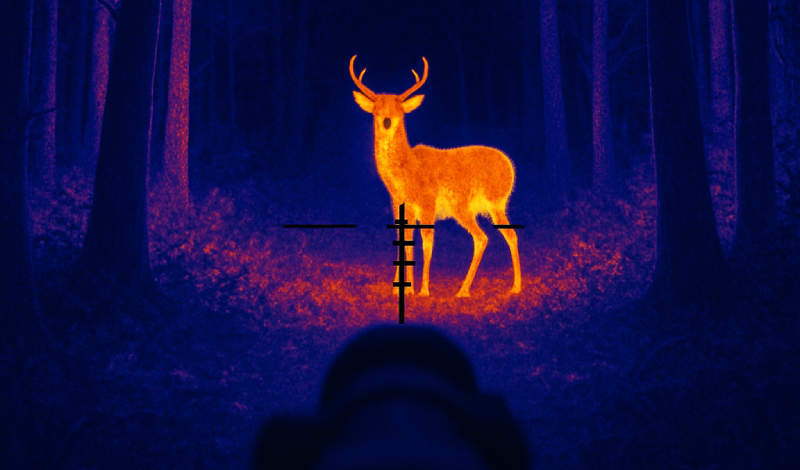
The Missouri Department of Conservation (MDC) is actively evaluating public feedback regarding proposed regulatory modifications that would significantly broaden the legal timeframe for utilizing thermal imaging and night vision technology during hunting activities. This legislative consideration emerges as state wildlife officials grapple with escalating coyote populations and an increasing frequency of human-wildlife conflicts throughout Missouri.
Current Regulatory Framework and Proposed Changes
Existing Night Vision Restrictions
Under Missouri's present hunting regulations, the deployment of night vision or thermal optics while possessing hunting equipment is legally permitted only during a narrow timeframe spanning February 1 to March 31. The sole exception to this restriction applies to property owners who are authorized to employ such technology year-round for feral hog management on private land.
Proposed Regulatory Expansion
The MDC's proposed modification would dramatically extend the permitted hunting window to encompass January 1 through September 30, effectively creating a 252-day hunting season for thermal and night vision equipped hunters. This substantial expansion represents the state's response to mounting pressure from wildlife management challenges and documented increases in predator populations.
Wildlife Management Challenges Driving Policy Review
Rising Predator Populations and Human Conflicts
State wildlife officials have documented a notable surge in furbearer populations, particularly coyotes, which has resulted in more frequent and problematic encounters with human populations. These interactions have manifested in various forms of conflict, including:
- Attacks on domestic poultry and livestock operations
- Predation on household pets
- Agricultural crop damage
- Property destruction
Strategic Management Approach
The proposed expansion of night hunting opportunities represents a proactive wildlife management strategy. By enabling hunters to utilize advanced optics technology during extended periods, officials anticipate that licensed hunters could serve as an effective predator control mechanism, potentially reducing predation incidents and associated property damage through regulated, legal hunting practices.
Public Opinion and National Context
Strong National Support for Hunting Activities
Recent research conducted in 2025 by the Council to Advance Hunting and the Shooting Sports (CAHSS)demonstrates robust public endorsement for hunting and shooting sports across the United States. The study findings reveal that substantial majorities of Americans support these recreational activities, with 73% approving of legal, regulated hunting and 74% supporting recreational shooting.
State-by-State Regulatory Variations
The legal landscape surrounding thermal and night vision hunting equipment varies significantly across state jurisdictions. Currently, 10 states—Alaska, Arizona, California, Colorado, Hawaii, Nevada, New Mexico, Oregon, Rhode Island, and Tennessee—have implemented complete prohibitions on the use of these advanced optics technologies for nocturnal hunting purposes.
Decision Timeline and Public Participation
Public Input Process
The Missouri Department of Conservation has been actively soliciting public commentary on the proposed regulatory changes. This input period is scheduled to conclude at the end of the month, after which officials will evaluate community feedback alongside wildlife management data to inform their final decision.
Policy Implications
The outcome of Missouri's deliberation will determine whether the state embraces technologically advanced nighttime hunting tools as part of its wildlife management arsenal or maintains its current approach of restricting such activities primarily to daylight hours. This decision carries significant implications for both wildlife population control strategies and the broader hunting community within the state.
Conclusion
As Missouri approaches the deadline for public input, wildlife officials face the challenge of balancing effective predator management with public safety concerns and varying community perspectives on hunting regulations. The proposed expansion of night hunting opportunities with thermal and night vision equipment represents a potentially significant shift in the state's approach to wildlife management, one that could serve as a model for other states grappling with similar human-wildlife conflict issues.
Author:
Marko Lalovic

Marko is a dedicated aviation enthusiast whose passion began with an unforgettable encounter with fighter jets at an air show in his home country. As an audiophile and sound engineer by training, Marko was initially captivated by the distinctive sonic signature of military aircraft—the thunderous roar of afterburners and the precise mechanical symphony of aviation systems. This auditory fascination evolved into a comprehensive interest in defense technology, particularly firearms engineering and ballistics acoustics.