LMT Secures Major SOCOM Contract for Advanced Precision Carbines
Author: Marko L. | Publish Date: Sep 01, 2025 | Fact checked by: Aleksa Miladinovic
Defense Contractor Awarded Nearly $100 Million Deal for Special Operations Weapons
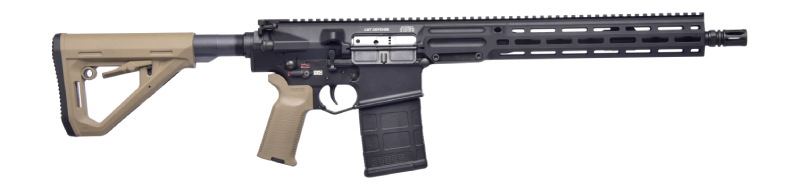
LMT Defense, headquartered in Eldridge, Iowa, has successfully secured a substantial military contract worth up to $92 million to supply U.S. Special Operations Command (SOCOM) with cutting-edge 6.5 Creedmoor carbine systems over the next decade.
Contract Details and Specifications
Financial Structure and Timeline
The recently awarded indefinite-delivery/indefinite-quantity (IDIQ) contract establishes a maximum ceiling value of $92 million and extends for a 10-year performance period. This comprehensive agreement encompasses not only the primary weapon systems but also includes essential support components and services.
Scope of Work and Deliverables
The contract covers the procurement of the new Medium Range Gas Gun-Assault (MRGG-A) carbine platform, along with a complete package of supporting elements including:
- Complete carbine systems
- Field maintenance kits
- Replacement spare parts and accessories
- Comprehensive new equipment training programs
- Engineering change proposals for system improvements
Competitive Landscape and Market Context
Industry Competition Background
The MRGG-A contract award represents the culmination of several years of intense competition between LMT Defense and Geissele Automatics. Both defense contractors have been vying for contracts covering SOCOM's medium-range precision rifle requirements in the 6.5 Creedmoor chambering.
Previous Contract Awards
The competitive landscape saw Geissele Automatics previously secure the contract for the full-sized variant of this weapon system. In late 2023, Geissele received a $29 million contract for the Mid-Range Gas Gun – Sniper (MRGG-S), which features a 20-inch barrel configuration compared to the more compact 14.5-inch barrel design of the MRGG-A that LMT will now produce.
Technical Specifications and Platform Details
MRGG-A Configuration
The Medium Range Gas Gun-Assault platform represents a compact precision system chambered in 6.5 Creedmoor caliber. The carbine features a 14.5-inch barrel length, providing Special Operations personnel with enhanced maneuverability while maintaining the ballistic advantages of the 6.5 Creedmoor cartridge.
Manufacturing and Production
All manufacturing work for the MRGG-A systems will be conducted at LMT Defense's production facility located in Iowa. The contract timeline extends through August 14, 2035, representing the final ordering deadline under this agreement.
Strategic Implications and Supply Chain Integration
Ammunition Supply Coordination
The timing of LMT's contract award aligns strategically with recent ammunition procurement decisions. Just days before the MRGG-A announcement, SOCOM issued a separate contract worth up to $40 million to Black Hills Ammunition for 6.5 Creedmoor ammunition supplies, ensuring a coordinated approach to the complete weapon system ecosystem.
Special Operations Modernization
This contract represents a significant component of SOCOM's ongoing modernization efforts, specifically focusing on enhancing the precision engagement capabilities of Special Operations forces through advanced rifle platforms optimized for medium-range applications.
Industry Impact and Future Considerations
The LMT Defense contract victory demonstrates the company's competitive positioning within the specialized military rifle market and reinforces the growing adoption of 6.5 Creedmoor as a preferred caliber for precision applications in military contexts. The decade-long contract duration provides LMT with substantial revenue visibility and positions the company as a key supplier for America's elite Special Operations units.
Author:
Marko Lalovic

Marko is a dedicated aviation enthusiast whose passion began with an unforgettable encounter with fighter jets at an air show in his home country. As an audiophile and sound engineer by training, Marko was initially captivated by the distinctive sonic signature of military aircraft—the thunderous roar of afterburners and the precise mechanical symphony of aviation systems. This auditory fascination evolved into a comprehensive interest in defense technology, particularly firearms engineering and ballistics acoustics.