Federal Judge Upholds Illinois' Unique Statewide Suppressor Prohibition
Author: Marko L. | Publish Date: Sep 14, 2025 | Fact checked by: Aleksa Miladinovic
Prairie State Remains Nation's Only Complete Ban Jurisdiction After Court Decision
A federal district court has rejected a constitutional challenge to Illinois' comprehensive suppressor ban, leaving the Prairie State as the sole jurisdiction in America with a complete prohibition on firearm sound suppression devices. The ruling represents a significant setback for Second Amendment advocates who sought to overturn what they characterize as an unjustified restriction on lawful gun ownership.
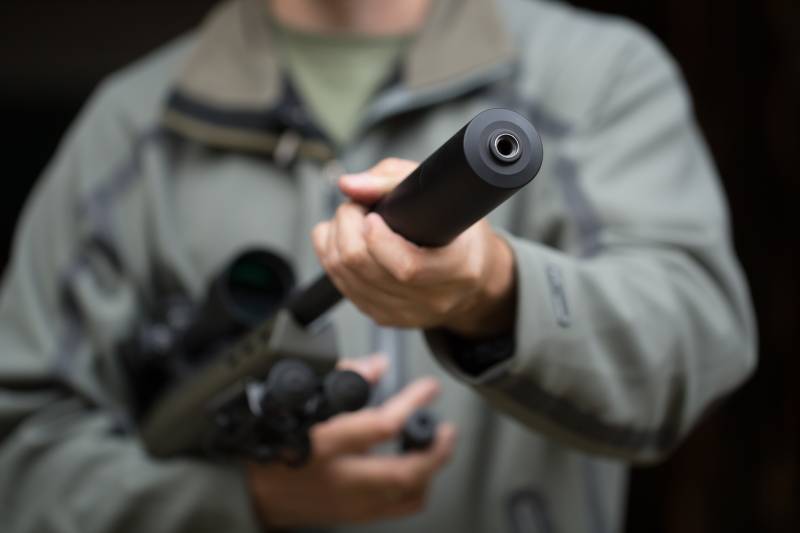
Illinois' Singular Legal Position on Sound Suppressors
The State's Comprehensive Ban
Illinois stands alone among all 50 states in maintaining a total prohibition on suppressor ownership and possession. Under the state's current firearms statutes, any device designed to muffle or reduce the sound signature of a firearm constitutes a felony-level offense. This sweeping ban applies regardless of federal licensing status or lawful purpose.
The Illinois law's breadth sets it apart from the regulatory approach taken by other states, which typically follow federal guidelines requiring tax stamps and background checks but do not prohibit ownership outright.
International Perspective on Sound Suppression
The restrictive nature of Illinois' position becomes even more striking when compared to international standards. Many foreign nations not only permit but actively mandate suppressor usage as a hearing protection and noise pollution reduction measure. This global approach treats sound suppressors as essential safety equipment rather than prohibited items.
The Legal Challenge and Its Arguments
Plaintiffs' Constitutional Claims
The recent lawsuit against Illinois' suppressor ban presented several compelling arguments for overturning the prohibition. Legal challengers built their case around multiple practical and constitutional foundations:
Health and Safety Benefits:
- Hearing protection for shooters and bystanders
- Reduction of environmental noise pollution
- Enhanced accuracy potential in defensive scenarios
Federal Compliance Framework: The plaintiffs emphasized their respect for existing federal regulations, making clear they were not seeking to circumvent the established tax stamp system. Their challenge focused specifically on the state-level prohibition while acknowledging federal oversight authority.
Second Amendment Interpretation Dispute
The core legal question centered on whether sound suppressors qualify as "arms" under Second Amendment protection. This classification issue would determine the level of constitutional scrutiny applied to Illinois' ban.
Judge Dugan's Ruling and Legal Reasoning
The Court's Decision
U.S. District Court Judge David W. Dugan, presiding over the Southern District of Illinois, ultimately ruled in favor of maintaining the state's suppressor prohibition. His decision hinged on a narrow interpretation of Second Amendment coverage.
Judge Dugan concluded that sound suppressors do not constitute "arms" within the constitutional framework, thereby placing them outside Second Amendment protection. This classification allowed the court to uphold the ban without applying heightened constitutional scrutiny.
Historical Analysis Framework
The judge grounded his decision in an originalist interpretation of the Second Amendment, examining the historical understanding of firearms-related devices. Judge Dugan's opinion included detailed historical analysis:
"It is not clear that the Framers contemplated the eventual creation of a 'silencer' or any device that would serve to reduce the report of a firearm," he noted in his written decision. "Originalism would suggest that does not matter. What matters is whether the term 'arms,' as it was understood by those of colonial times, would have included devices that suppress the volume emitted by a firearm when discharged."
Addressing Constitutional Arguments
While acknowledging the plaintiffs' constitutional claims, Judge Dugan remained unconvinced by their Second Amendment arguments. He specifically noted: "Of course, Plaintiffs contend in their pleadings and briefs that silencers are, in fact, 'arms' for the purpose of Second Amendment protection."
However, the court's originalist approach led to a rejection of this interpretation, focusing instead on the historical understanding of firearms and related equipment during the constitutional founding era.
Implications for Gun Rights in Illinois
Impact on Lawful Gun Owners
The court's decision leaves Illinois firearms owners in a unique legal position compared to their counterparts in other states. While gun owners elsewhere can legally obtain suppressors through federal channels, Illinois residents face criminal penalties for possessing these devices regardless of federal compliance.
This legal landscape creates particular challenges for:
- Competitive shooters seeking hearing protection
- Hunters concerned about noise pollution
- Self-defense practitioners looking to minimize hearing damage
- Gun enthusiasts who travel between states with different regulations
Potential Appeals and Future Litigation
The ruling may prompt appeals to higher courts, potentially creating opportunities for broader Second Amendment interpretation at the circuit or Supreme Court level. Gun rights organizations often view adverse district court decisions as stepping stones to more favorable appellate review.
The Broader Second Amendment Landscape
National Suppressor Regulation Context
The Illinois ban exists within a complex federal regulatory framework that treats suppressors as National Firearms Act (NFA) items. Under federal law, suppressors require:
- ATF Form 4 application and approval
- $200 transfer tax
- Extensive background check process
- Registration with federal authorities
Most states permit suppressor ownership within this federal framework, making Illinois' complete prohibition an outlier approach.
Constitutional Interpretation Trends
The case reflects broader debates about Second Amendment scope and the application of originalist interpretation methods to modern firearms technology. Courts across the nation continue grappling with how constitutional text from the 18th century applies to 21st-century firearms equipment and accessories.
Looking Forward
Legislative and Legal Paths
Illinois gun rights advocates may pursue multiple avenues for addressing the suppressor ban:
- Federal court appeals challenging Judge Dugan's interpretation
- State legislative efforts to modify existing prohibitions
- Federal preemption arguments based on NFA regulation
- Additional constitutional challenges using different legal theories
The ongoing legal battle reflects the complex intersection of federal and state firearms regulation, constitutional interpretation, and public safety policy in modern America.
Author:
Marko Lalovic

Marko is a dedicated aviation enthusiast whose passion began with an unforgettable encounter with fighter jets at an air show in his home country. As an audiophile and sound engineer by training, Marko was initially captivated by the distinctive sonic signature of military aircraft—the thunderous roar of afterburners and the precise mechanical symphony of aviation systems. This auditory fascination evolved into a comprehensive interest in defense technology, particularly firearms engineering and ballistics acoustics.